
Technical Guide•2026-10-12•Tasneem Editorial Desk
Single Jersey vs Interlock Machine for Polo Fabric: Bangladesh Buyer Guide
Compare single jersey and interlock machines for polo fabric using construction, GSM, stretch, recovery, finishing, trial evidence and Bangladesh mill practicality.
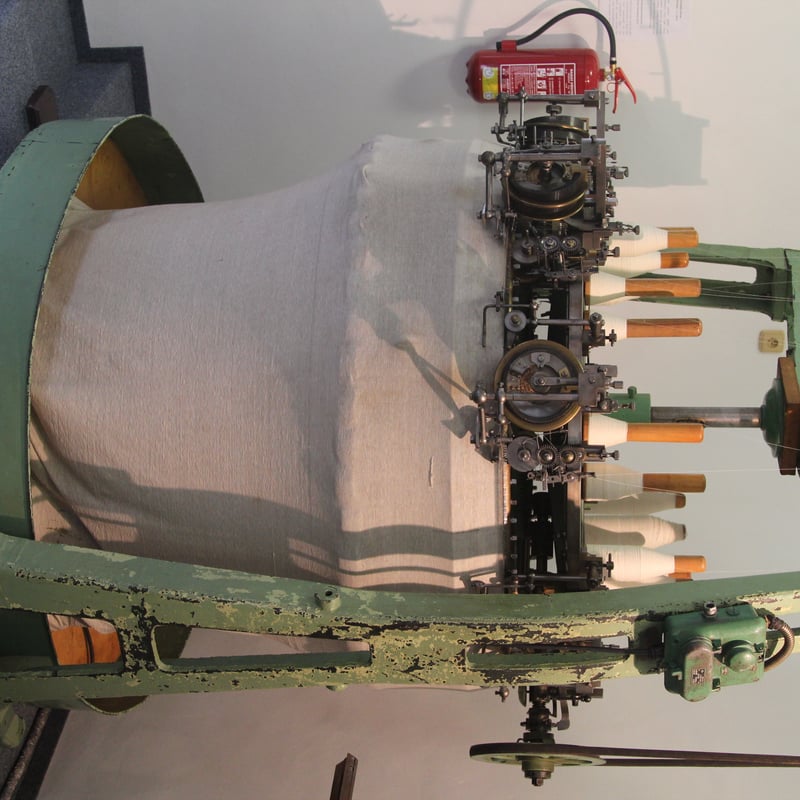
Direct answer: For the question “single jersey machine vs interlock machine for polo fabric,” choose the machine from the polo construction you must deliver, not from the word “polo” alone. A lightweight polo body, pique-style fabric, or stretch jersey may fit a single jersey route when the buyer approves the surface, weight, recovery and dimensional stability. A denser, smoother, reversible polo fabric may require an interlock or another double-jersey construction. Confirm the fabric structure, GSM, width, stretch, recovery, yarn, finishing route and trial result before approving the machine.Obtain the approved polo tech pack, swatch, construction description and finished-measurement method.
Confirm whether the fabric is single jersey, pique-style single knit, interlock or another construction.
Record finished GSM, width, stretch, recovery, spirality and shrinkage targets with tolerances.
List yarn fibre, count or tex, blend, elastane requirement and representative yarn lot.
Ask each supplier to state the exact machine configuration that will knit the sample.
Compare gauge, diameter, needle plan, feeder or system count, take-down and finishing route.
Confirm footprint, operator clearance, lifting path, electrical requirements and maintenance access.
Run a controlled trial using the same yarn and a documented stitch and take-down setting.
Keep sample or roll IDs and record greige and finished measurements separately.
Inspect for barre, needle lines, dropped stitches, spirality, holes, oil marks and plating faults.
Compare setup time, cleaning, lubrication, changeover and spare-parts requirements.
Put acceptance limits, deviation authority, documents and accessory lists in the purchase file.
Use the pre-shipment inspection checklist before shipment.
Link the trial to the knitwear factory setup and commissioning guide so the selected machine fits the floor and utility plan.
Single jersey machine: when it fits
A single jersey circular machine forms a single-knit structure with a face and back that behave differently. It is often considered when the mill needs lightweight jersey, stretch jersey or a textured single-knit route and wants a relatively straightforward production family. The decision still depends on the exact machine configuration, gauge, diameter, feeder setup, yarn and finishing.Choose a single jersey route when the approved sample is open, lightweight or stretch-focused, when the required surface and recovery are achievable in a single-knit construction, and when the mill’s order mix is concentrated on products that use that construction. A single jersey line may also make sense when the factory already has trained operators, compatible needles and a documented maintenance routine for that machine family.Do not assume that a single jersey machine will automatically make every pique or polo texture. Some textures need special cam, feeder, plating or pattern arrangements. Ask the supplier to identify the exact construction and to demonstrate it using representative yarn and settings.Interlock machine: when it fits
Interlock is a double-jersey construction made with cylinder and dial needle systems. The two needle beds work together to create a more balanced and often smoother fabric than a basic single jersey. It is considered when the buyer needs a denser hand, a more stable reversible surface, additional body or a construction that responds differently to stretch and recovery.Choose an interlock route when the approved polo fabric is dense, smooth, balanced or designed for a more substantial hand, and when the machine trial shows that the target GSM, width, recovery and appearance can be achieved without forcing unsuitable settings. Interlock may also fit a mill whose order mix includes several double-jersey products, but that broader capability must be confirmed from the machine configuration rather than assumed from the word “interlock.”Interlock is not automatically the better choice. It can introduce different setup, alignment, needle, cam, take-down, lubrication and troubleshooting requirements. The correct comparison is the finished fabric and operating evidence, not a claim that one construction is universally superior.Single jersey vs interlock: comparison and specification table
| Decision factor | Single jersey route | Interlock route | Evidence to request before purchase | |---|---|---|---| | Fabric construction | Single-knit structure with distinct face/back behaviour | Double-jersey structure using cylinder and dial systems | Approved swatch, construction description and machine configuration | | Polo application | Lightweight, stretch or textured products when the sample approves | Denser, smoother or more balanced products when the sample approves | Buyer-approved sample and written end-use brief | | Hand and body | Can be lighter and more open depending on yarn and settings | Often more substantial and balanced, subject to settings | Finished hand evaluation under the same conditioning method | | GSM control | Driven by gauge, yarn, stitch length, take-down and finishing | Driven by gauge, yarn, two-bed settings, stitch length and finishing | Trial matrix with greige and finished GSM | | Stretch and recovery | Depends on structure, yarn and elastane route | Depends on structure, yarn and dial/cylinder interaction | Measured stretch and recovery method, not a visual opinion | | Surface risk | Needle lines, barre, spirality or plating issues can affect appearance | Dial/cylinder alignment, needle interaction and loop balance need attention | Defect log, alignment checks and sample identification | | Width and finishing | Confirm tubular/open-width route and relaxation behaviour | Confirm the same, plus double-jersey take-down and finishing response | Finished-width record after the intended route | | Service and spares | Verify needle, sinker, cam, feeder and control requirements | Verify cylinder, dial, needle, sinker, cam and control requirements | Numbered spare-parts and maintenance list | | Best decision signal | Repeated trial meets the polo tech pack with practical settings | Repeated trial meets the polo tech pack with practical settings | Signed trial report and acceptance criteria |The table is a decision framework; verify gauge, diameter, feeder count, speed, power, output and accessories from the selected model’s documents and trial.A practical selection method for a Bangladesh mill
Step 1: Classify the approved fabric
Write the construction in plain technical language and attach a reference swatch. Record GSM, width, stretch, recovery, yarn and finishing route. If the fabric is described only as “polo,” stop the purchase decision until the construction is clarified.Step 2: Shortlist one machine family for each viable route
Ask for a single jersey configuration and an interlock configuration only when both are technically plausible. Request the machine type, gauge, diameter, needle plan, feeder or system arrangement, utility requirements, footprint, included accessories and maintenance access. Do not compare a complete interlock line with an unspecified single jersey machine.Step 3: Run a controlled trial
Use the same approved or representative yarn, colour route where relevant, target construction and intended finishing path. Record machine identity, gauge, diameter, settings, stitch length, take-down, operating mode, run time, stops, alarms, sample ID, greige GSM, relaxed width, finished GSM, finished width, stretch, recovery and visible defects. Run more than one sample or roll when the order is important; one attractive swatch is not enough evidence.Step 4: Compare operating practicality
A fabric can pass a laboratory check yet be difficult to run consistently. Review operator setup time, needle and sinker access, cleaning points, lubrication controls, changeover steps, inspection frequency, fabric removal, safe service clearance and the availability of documented spare parts. Record assumptions instead of converting them into promises.Step 5: Freeze acceptance criteria
Before issuing a purchase order, state which construction, yarn, settings, finished measurements and test methods will be used for acceptance. Include the process for deviations, repeat trials and incomplete accessories. A machine should be approved because the evidence matches the order, not because a brochure uses the right application word. Cross-check gauge selection guidance.Practical buyer checklist
Assumptions and verification
This evergreen guide intentionally omits current prices, import duties, certification status, customer references, guarantees and breaking-news claims. The table uses decision categories rather than universal performance numbers. Actual gauge, diameter, feeder or system count, speed, power, output, accessory list, utility requirements and acceptance limits must be verified from the selected model’s current documents, representative trial and buyer approval. Fabric behaviour also depends on yarn, settings, climate, operator practice and finishing; confirm critical parameters at the mill before committing to production.FAQs
1. Is a single jersey machine or an interlock machine better for polo fabric?
Neither is universally better. Choose the machine that reproduces the approved polo construction, GSM, width, stretch, recovery and appearance under a controlled trial. A lightweight or stretch-focused fabric may fit a single jersey route, while a denser and more balanced fabric may fit interlock. The swatch and test record should decide.2. Can a single jersey machine make polo pique fabric?
It may be possible for some pique-style or textured single-knit constructions, but the exact cam, feeder, plating and pattern arrangement matters. Do not treat “polo” or “pique” as proof of capability. Request the construction description, representative yarn trial and finished-fabric measurements for the selected configuration.3. Why would a mill choose interlock for a polo fabric?
A mill may choose interlock when the approved fabric needs a denser, smoother or more balanced double-jersey construction, or when the order mix includes related products that use the same machine family. Confirm the result through GSM, width, recovery, appearance and finishing trials rather than assuming interlock will always provide better quality.4. Does interlock always use more yarn or cost more to run?
The answer depends on the construction, yarn, settings, machine configuration, speed, efficiency and finishing route. Do not turn a general expectation into a budget figure. Build the comparison from measured yarn consumption, good fabric output, energy records and maintenance assumptions from the intended trial.7. What should be measured in a polo-fabric machine trial?
Record machine identity, yarn, gauge, diameter, settings, stitch length, take-down, running time, stops, sample ID, greige GSM, relaxed and finished width, stretch, recovery, shrinkage, spirality and visible defects. Use the buyer’s stated test method where available and keep the raw record with the purchase file.Related Topics
single jersey machineinterlock machinepolo fabriccircular knittingBangladesh millsmachine comparisontechnical guidetextile machinery
Need Technical Sourcing Assistance?
Request Machine QuoteConfigure Your Mill's Circular Knitting Line
Factory-direct pricing, CFR Chattogram delivery, pre-shipment quality audit, and local commissioning in Bangladesh.