
Technical Guide•2026-10-11•Tasneem Editorial Desk
How to Choose Knitting Machine Cylinder Diameter for Bangladesh Mills
A practical guide to choosing circular knitting machine cylinder diameter from finished width, fabric structure, order mix, layout and trial evidence—without treating diameter as a substitute for gauge or a universal output figure.
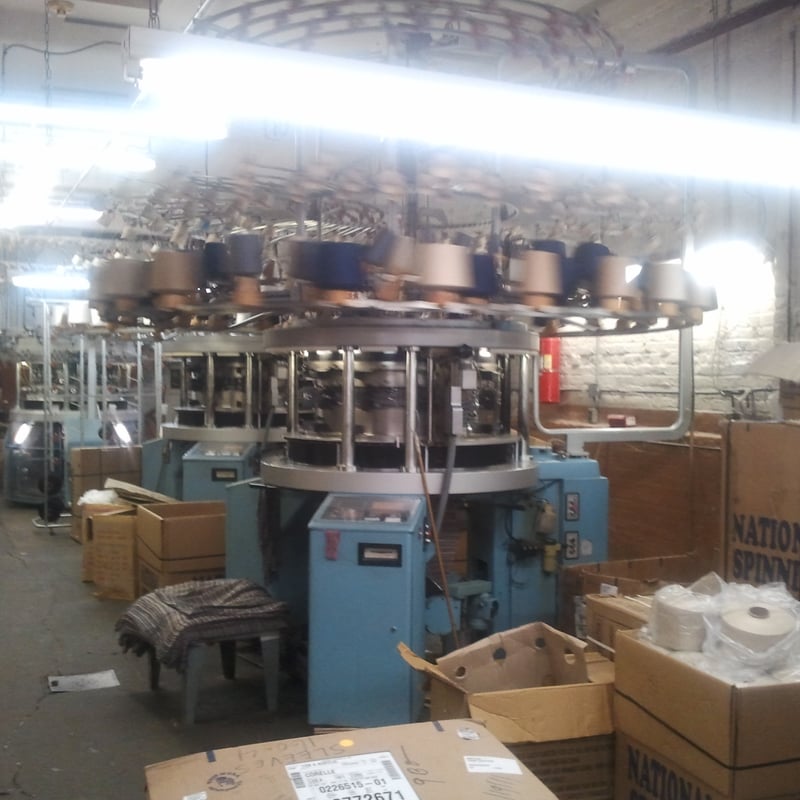
Direct answer: To choose a knitting machine cylinder diameter for a Bangladesh mill, start with the finished fabric width and structure that the machine must produce, then check the required tubular circumference, order mix, gauge, feeder configuration, finishing route, floor space and service access. Cylinder diameter determines the machine’s working circumference and strongly influences the width family of fabric it can make; it does not by itself determine fabric fineness, GSM, output or profitability.fabric structure: single jersey, rib, interlock, fleece, terry or another approved construction;
target finished width, tubular or open-width presentation, GSM and tolerance;
yarn count or tex range, fibre blend and elastane requirement where applicable;
expected relaxation, dyeing, compacting, slitting, brushing or other finishing steps;
acceptable roll width, edge condition and inspection method;
minimum order width, maximum order width and how often the mix changes. When the tech pack uses open-width measurements, translate them into the tubular requirement using the approved pattern and finishing method. Do not simply double a finished open width and assume the machine will achieve it; take-down, relaxation, spirality and finishing shrinkage affect the relationship.List recurring finished widths, structures, yarn ranges, GSM targets and finishing routes.
Separate must-have widths from occasional or speculative widths.
State whether the product is evaluated as a tube, an open width or a finished roll.
Shortlist candidate diameters and request the supplier’s exact working-width and gauge data.
Confirm the machine configuration for each structure; do not transfer a single-jersey trial to an interlock decision.
Define yarn, stitch length, take-down, speed, relaxation and finishing conditions for the trial.
Record sample identity, machine identity, settings, width, GSM, appearance and defects.
Compare finished measurements with the approved tech pack and tolerance method.
Check footprint, operator clearance, lifting path, electrical load, compressed air and maintenance access.
Confirm which accessories, needles, sinkers, feeders, controllers and manuals are included in the agreed configuration.
Write acceptance limits and deviation authority into the purchase and inspection file.
Before shipment, use Tasneem’s pre-shipment inspection checklist to reconcile the supplied machine with the approved specification.
Cylinder diameter is a width decision, not a gauge decision
Cylinder diameter is the nominal diameter of the knitting cylinder. In a circular machine, the cylinder circumference is related to the fabric tube that is formed. After knitting, take-down, relaxation, slitting or finishing can change the usable width. The finished width in a buyer’s specification is therefore more important than a diameter label viewed in isolation.Gauge answers a different question: how many needles are arranged per inch and what yarn and loop fineness the machine can support. A 34-inch machine may be built in different gauges, and the same gauge may be available across different diameters. Choose diameter from width and product mix; choose gauge from yarn, structure, GSM, hand-feel and quality trials.A useful first question is not “Which diameter is most popular?” but: What fabric widths and structures must this machine reliably produce after the agreed finishing route?Step 1: Convert the order mix into a width brief
Collect at least the following from the current or planned product range:Step 2: Build a diameter shortlist
Prepare two or three candidate diameters and ask the supplier to state the working width, gauge options, feeder arrangement, machine type and trial conditions for each. ## Step 3: Check the interaction with gauge and structureDiameter and gauge work together but are not interchangeable. Gauge affects needle density and the yarn/loop scale. Structure affects the number of systems, dial or cylinder arrangement, take-down demand and finishing behaviour. For example, a wide single-jersey order and a dense double-jersey order may need different machine configurations even when their finished widths look similar.For the gauge side of the decision, use Tasneem’s circular knitting machine gauge selection guide. That guide and this diameter guide should be read together, because a width choice that ignores yarn and structure can still produce an unsuitable machine specification.Comparison and specification table
| Selection factor | What to compare | Evidence to request | Decision signal | |---|---|---|---| | Finished width | Required width after the stated finish | Measured trial width and method | Keep only candidates that cover the recurring width family | | Tubular circumference | Tube size before slitting or finishing | Machine specification plus sample record | Confirm the conversion; do not assume open width is simply doubled | | Fabric structure | Single jersey, rib, interlock, fleece or terry route | Approved configuration and trial swatch | Reject a diameter that works only on a different structure | | Gauge and yarn | Yarn count/tex, needle density and loop setting | Gauge, needle plan and yarn trial | Diameter is not a substitute for gauge compatibility | | Order mix | Minimum, maximum and frequency of widths | Historical or planned order matrix | Prefer a fit for repeat work, not only one exceptional order | | Layout and access | Footprint, service clearance, lifting route and safety access | Layout drawing and utility schedule | Do not approve if installation or maintenance access is impractical | | Finishing route | Relaxation, dyeing, compacting, slitting and winding | Width-control and finishing trial notes | Compare finished results, not only greige tube dimensions | | Acceptance evidence | Output, defects, width and sample identity | Signed trial sheet and agreed limits | Keep acceptance criteria in the purchase file |This table is a decision framework. It is not a catalogue of universal diameters, production rates or quality claims.Step 4: Use a trial matrix before purchase
Ask for a small, controlled matrix rather than one attractive sample. Keep the machine diameter and gauge fixed while testing the agreed yarn and structure. Record stitch length, take-down setting, speed or operating mode, running time, stop events, roll or sample identity, relaxed width, finished width, GSM and visible defects. If the machine cannot reproduce the buyer’s material, label the result as a limitation instead of calling it a pass.For a new line, connect the trial to a knitwear factory setup and commissioning checklist. The floor plan must leave safe access around the machine, space for fabric removal, and a practical route for installation and future maintenance.Practical buyer checklist
Common selection mistakes
Assumptions and verification
Diameter, gauge, feeder count, working width, utilities and acceptance limits must be verified in the current machine documents and witnessed trial. For recurring quality issues after installation, keep a record and consult the circular knitting machine maintenance guide rather than changing cylinder size without evidence.FAQs
1. How do I choose the right knitting machine cylinder diameter?
Start with recurring finished widths and fabric structures, translate them into the approved tubular or open-width requirement, then compare candidate diameters using a controlled yarn and finishing trial. Confirm layout, utilities, gauge and acceptance evidence before purchase.2. Is cylinder diameter the same as machine gauge?
No. Diameter describes the cylinder’s working circumference and is mainly a width-family decision. Gauge describes needle density and the fineness range of yarn and loops. A complete specification needs both, plus structure, feeder configuration and trial conditions.3. Is a larger diameter always better for a Bangladesh knitwear factory?
No. A larger diameter may fit some wider recurring products, but it can also require more floor space, different handling and a different configuration. If most orders are narrower, an oversized machine may not be the best operational fit. Use the order matrix and finished trial results.4. Can one diameter produce single jersey, rib and interlock fabric?
It depends on the machine type, cylinder/dial arrangement, gauge, feeder configuration and the approved product specification. Do not assume that a diameter alone confirms multi-structure capability. Request separate configuration and trial evidence for each structure that matters.5. What measurements should a supplier provide before I approve the diameter?
Request the nominal diameter, gauge, needle and feeder configuration, stated working-width range, machine footprint, utility data, trial material and measured relaxed/finished width. Also request sample IDs, settings, GSM or other agreed quality checks and the acceptance limits used for the trial.6. Can changing cylinder diameter fix fabric defects?
Usually not by itself. Defects may arise from yarn variation, feeder tension, needles, sinkers, cams, take-down, lubrication, machine alignment or finishing. Diagnose the defect and document the trial before treating diameter as the solution.Related Topics
cylinder diametercircular knittingBangladesh millsmachine selectionfinished widthtextile machinery
Need Technical Sourcing Assistance?
Request Machine QuoteConfigure Your Mill's Circular Knitting Line
Factory-direct pricing, CFR Chattogram delivery, pre-shipment quality audit, and local commissioning in Bangladesh.